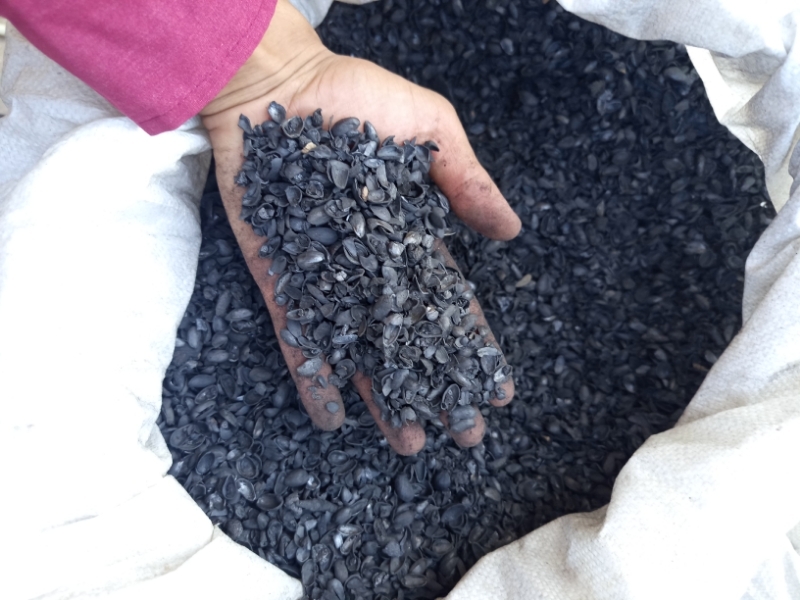
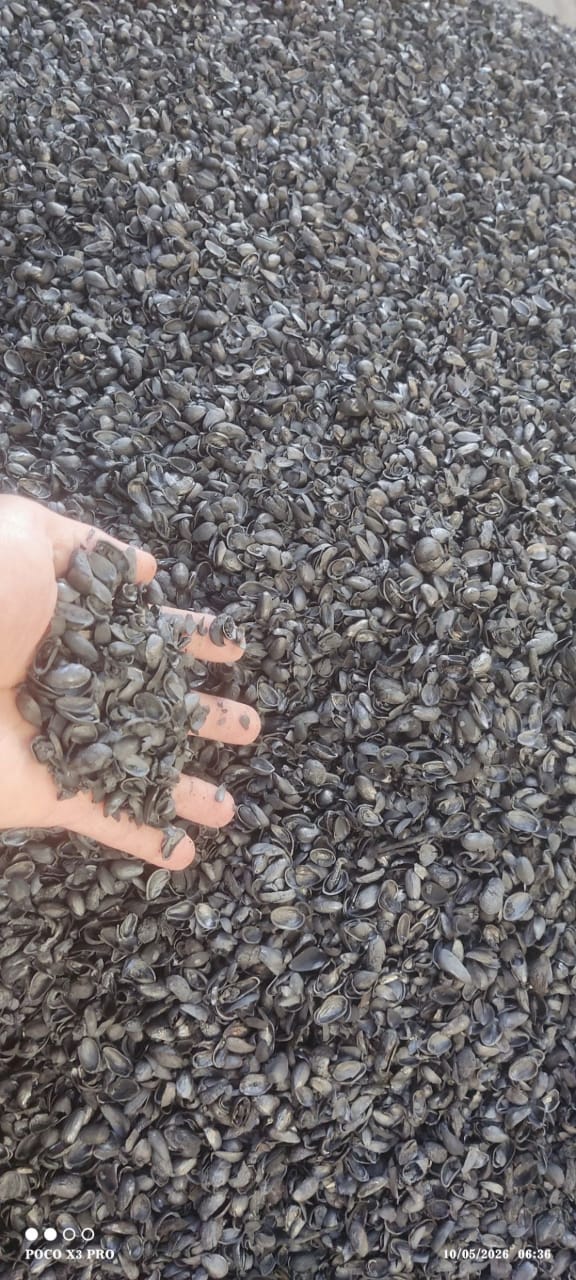
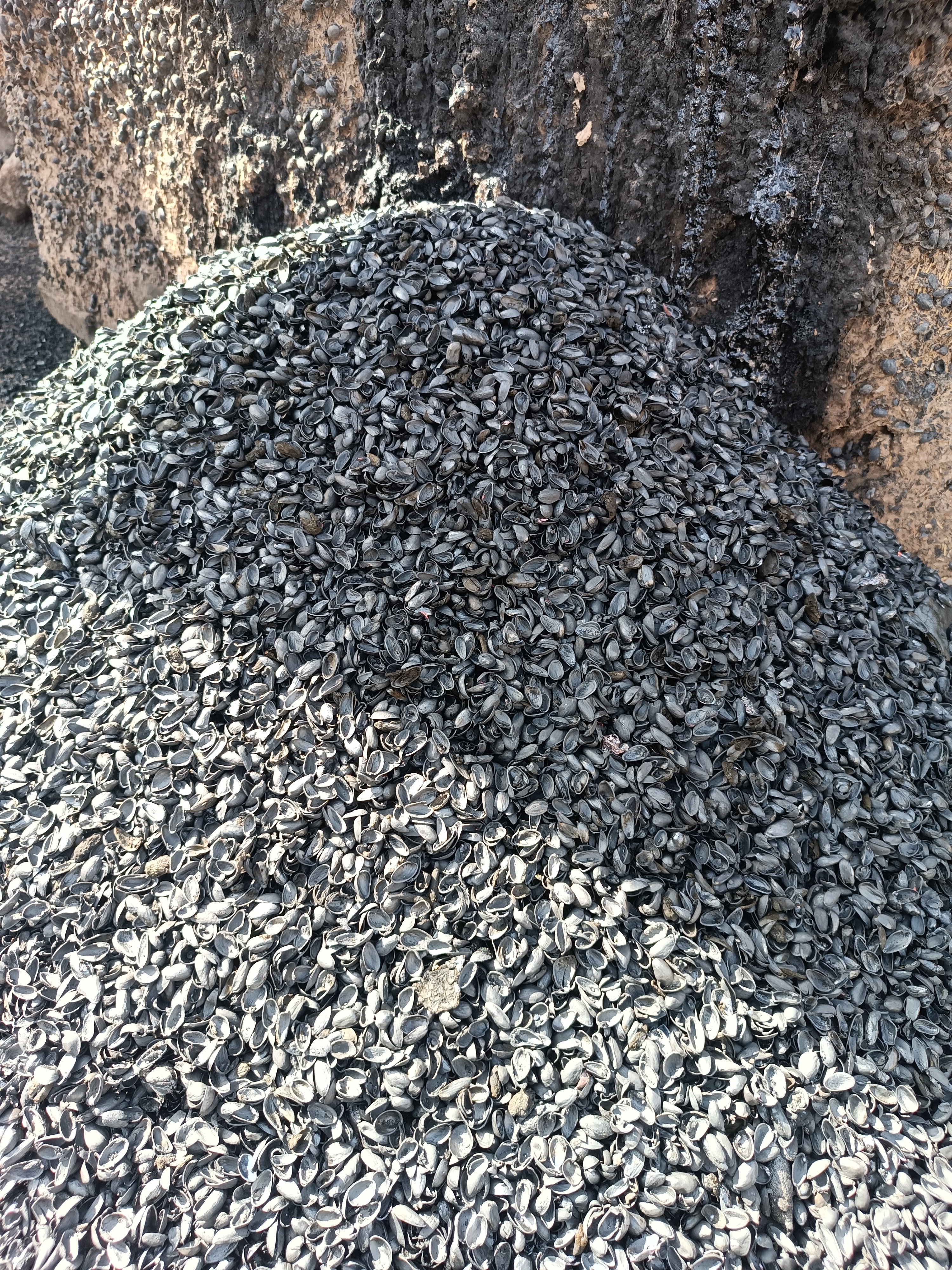
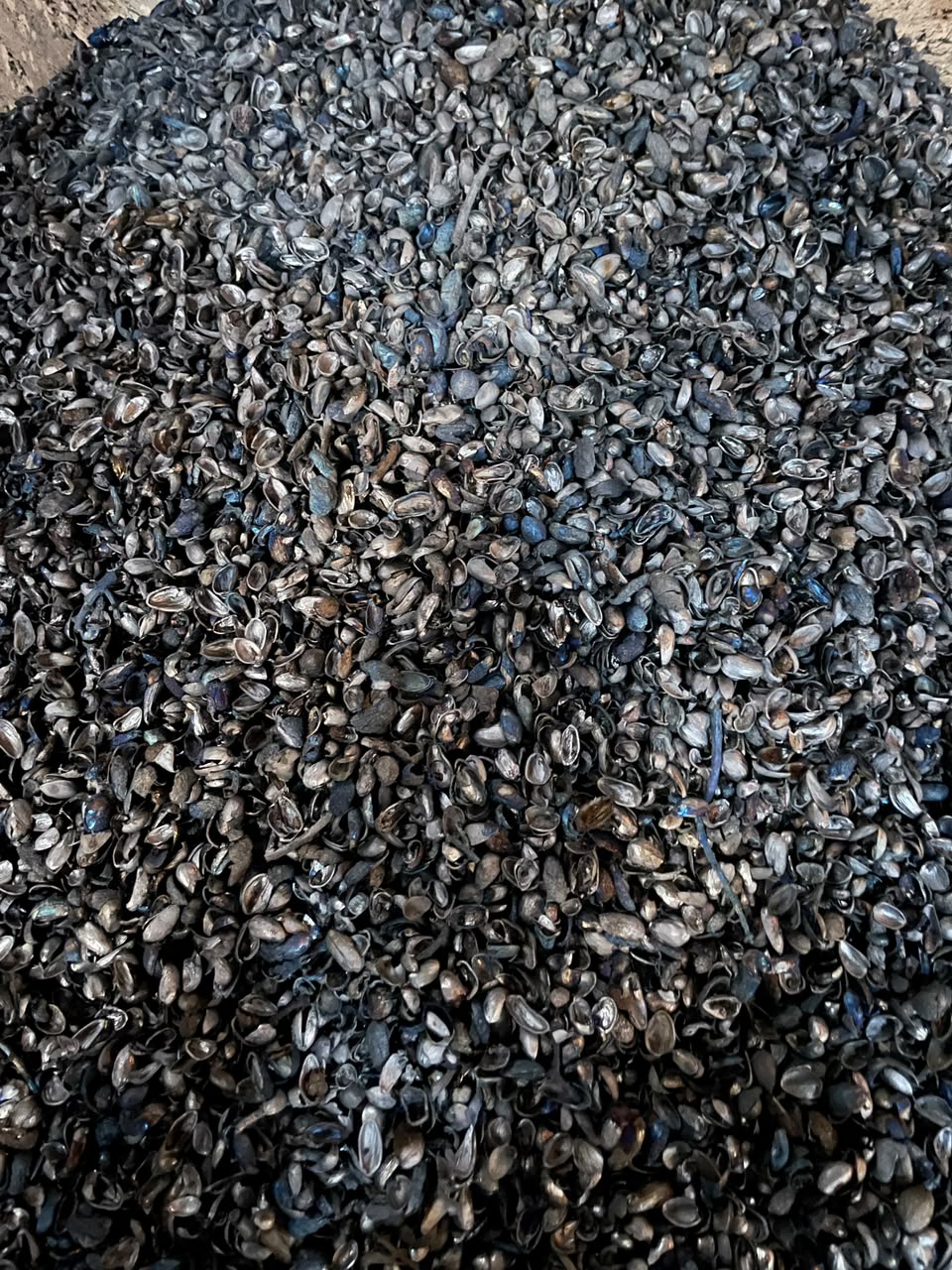
Pistachio-Shell Carbon Buying Guide
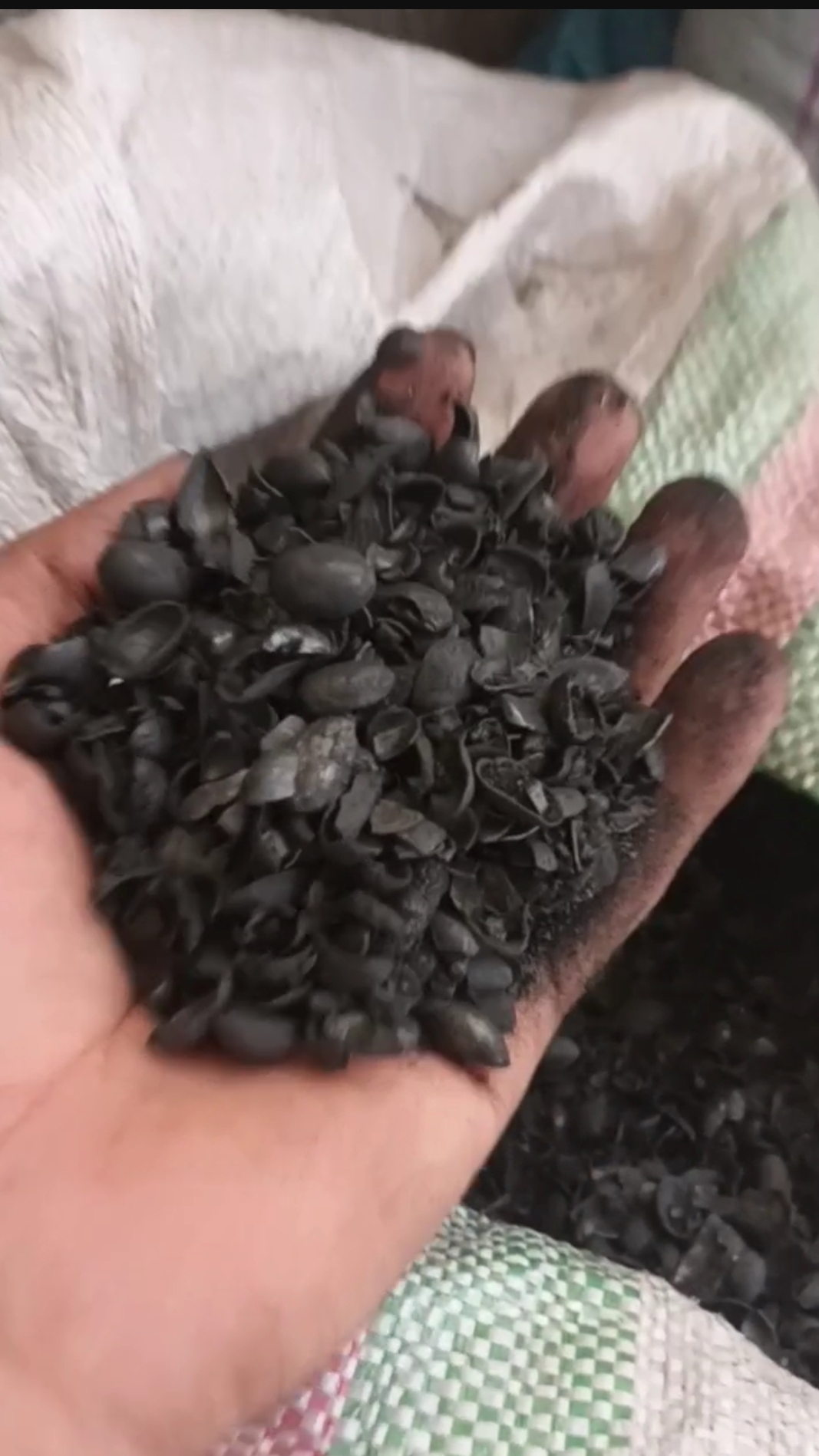
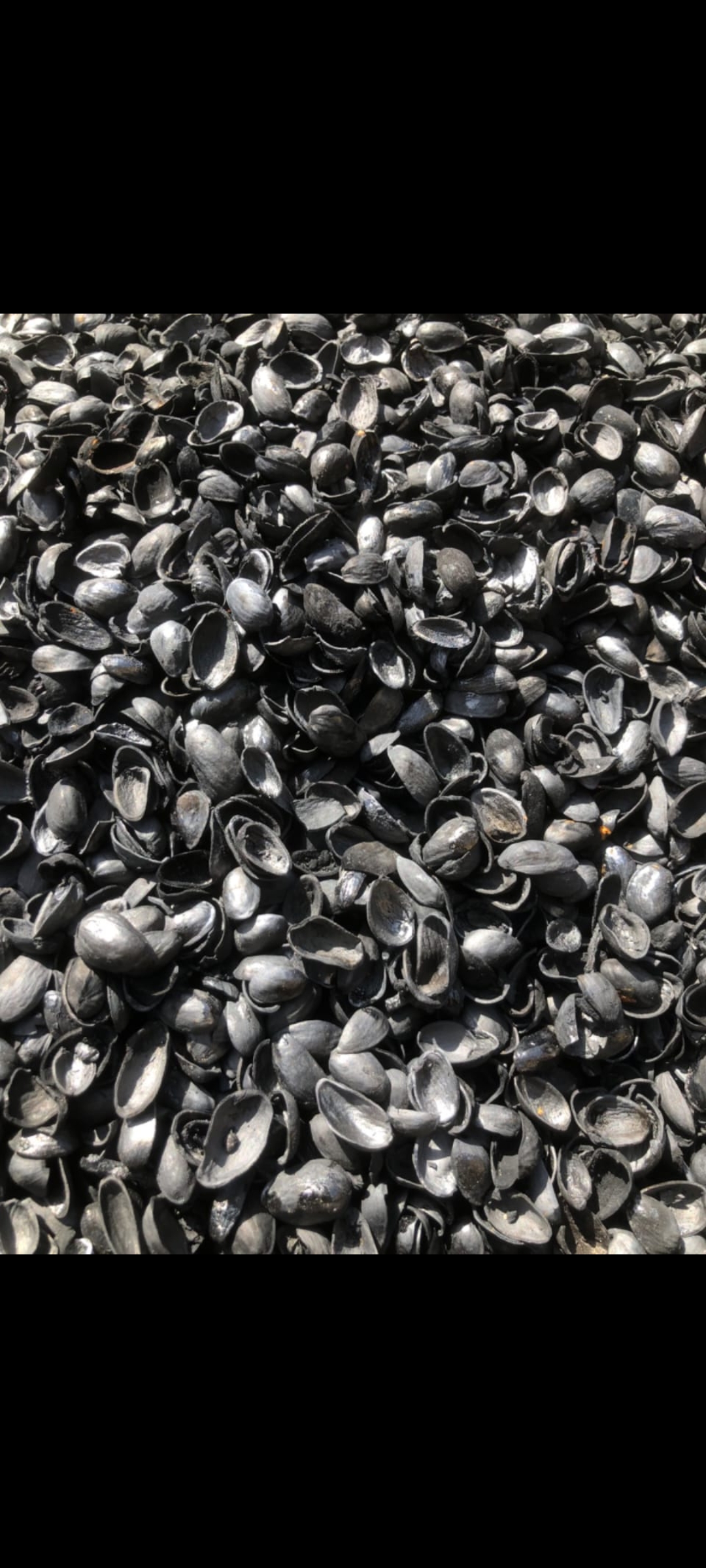
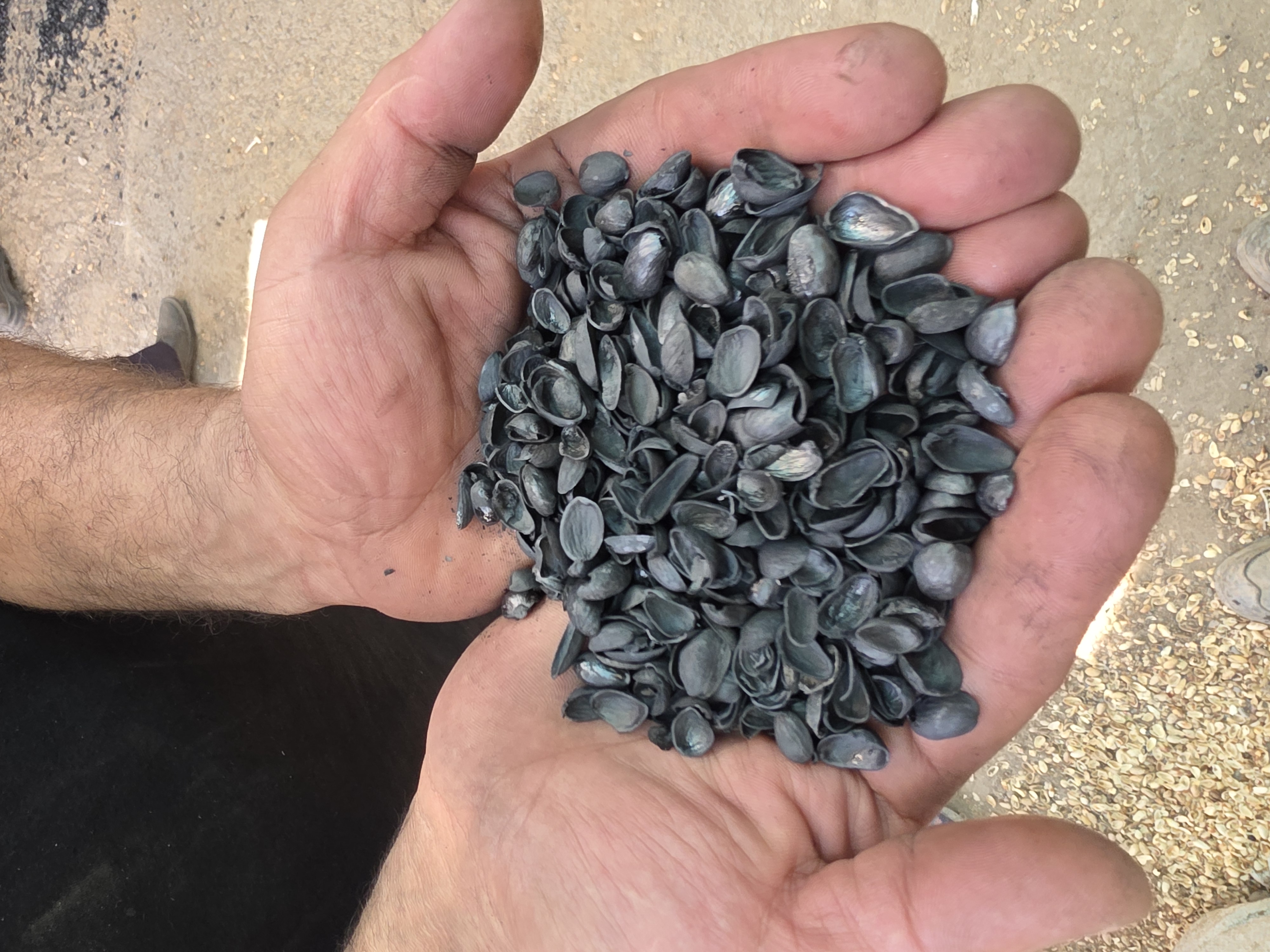
Pistachio-shell carbon is made by carbonizing shells; color or listing title alone does not determine quality. Prices are from active listings, so use representative samples and the shipment’s technical data for industrial purchases.
Common supply forms
- Coarse, crushed or powdered
- Different carbonization and ash grades
- Bulk, sacks or jumbo bags
Main price factors
- Fixed carbon, ash and volatile matter
- Moisture and carbonization consistency
- Particle size and fines percentage
- Volume, packaging and freight
Before ordering
Inspect a representative sample and document test method, net weight, quality tolerance, loading time and return terms for nonconforming loads. See the article What Is Pistachio-Shell Carbon and How Is It Used? for details.
Pistachio-Shell Carbon FAQ
Is pistachio-shell carbon the same as activated carbon?
No. Carbonized pistachio shell is not necessarily activated carbon; activation is a separate process and must be verified technically.
Which properties matter when evaluating pistachio-shell carbon?
Moisture, ash, fixed carbon, volatile matter, carbonization consistency, particle size and fines are important. Sample testing is recommended for industrial purchases.
Why do two pistachio-shell carbon loads have different prices?
Raw-material quality, carbonization, ash and moisture, particle size, usable yield, packaging and freight create price differences.